
How does high-quality legal representation for parents support better outcomes?
Research highlights how quality legal representation for parents can improve permanency for children and reduce time in foster care.
Research highlights how quality legal representation for parents can improve permanency for children and reduce time in foster care.
This data overview looks at trends for American Indian/Alaska Native children in care nationally, and in California and Washington.

The Parents for Parents program matches parents who have been reunified with those newly involved with child welfare to provide support and guidance.
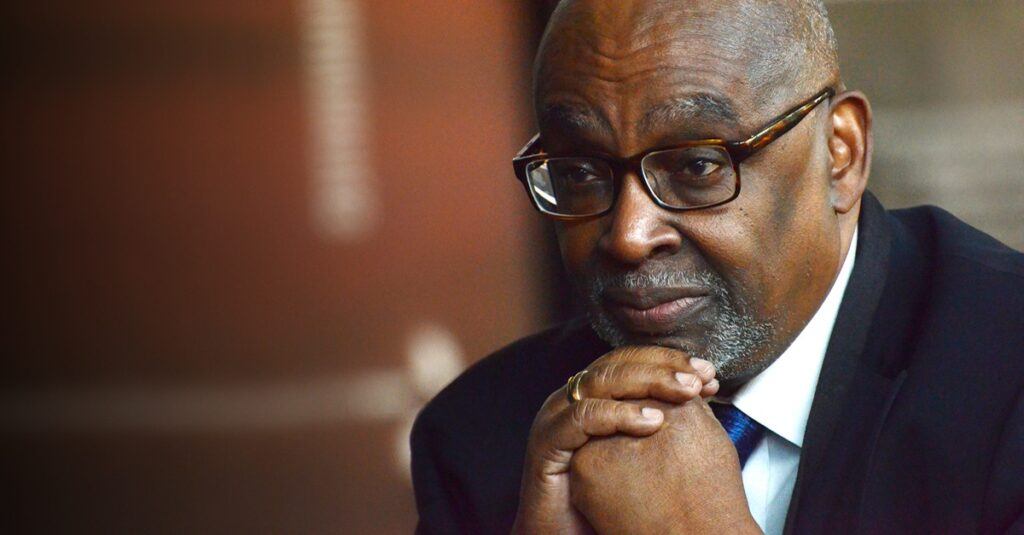
The former mayor of Seattle is recognized for his accomplishments and civic engagement.
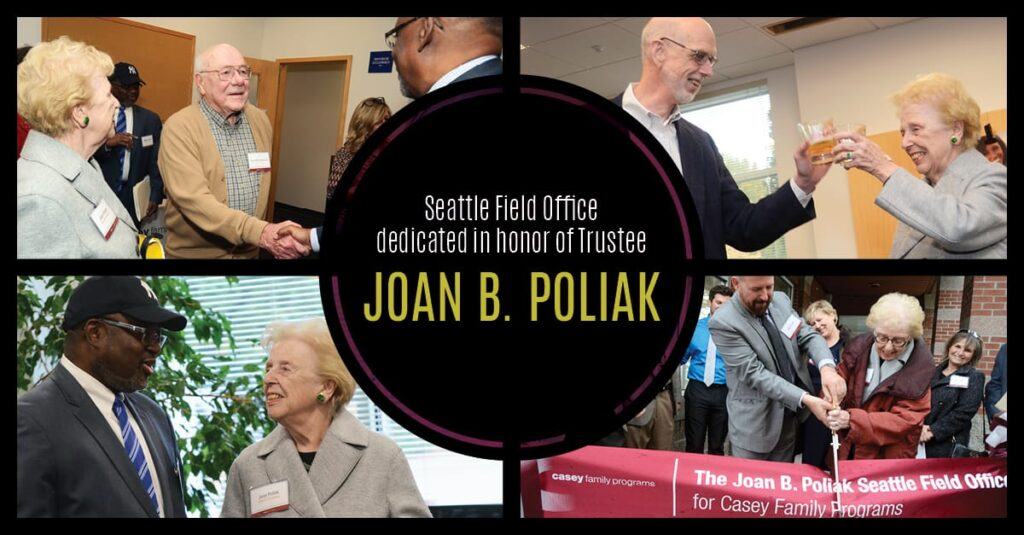
Casey Family Programs’ Seattle Field Office was renamed in honor of long-serving trustee Joan B. Poliak.
Several communities have created innovative approaches to decrease problems linked to trauma.
Cory Kercher was 17, just days away from aging out of the foster care system without a permanent family. This is the story of his journey to finding his forever family.
In honor of Martin Luther King Jr. Day, Dr. William C. Bell addresses the community of Tacoma, Washington, urging listeners to have a bold, “mountaintop” vision like Dr. King.
States with Title IV-E demonstrations are using evidence-based practices, but more cost-benefit analyses are needed.
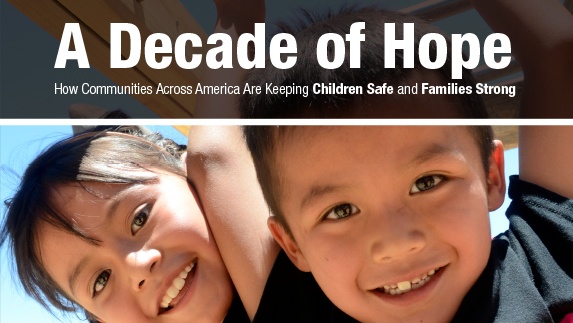
Our 2015 signature report profiles communities across America that are keeping children safe and families strong, demonstrating that hope is an action word.
The 2012 Child and Family Services Improvement and Innovation Act has set the stage for important and meaningful improvements to child welfare in America.
This report provides a lens on the American Indian Title IV-E grantee planning process during winter 2012.

Washington
How does high-quality legal representation for parents support better outcomes?Research highlights how quality legal representation for parents can improve permanency for children and reduce time in foster care. Native American and Alaska Native children data trendsThis data overview looks at trends for American Indian/Alaska Native children in care nationally, and in California and Washington.
How does the Parents for Parents program help parents reunify?The Parents for Parents program matches parents who have been reunified with those newly involved with child welfare to provide support and guidance.
Norman Rice named to Seattle Magazine’s Hall of FameThe former mayor of Seattle is recognized for his accomplishments and civic engagement.
Seattle Field Office dedicated in honor of Trustee Joan B. PoliakCasey Family Programs’ Seattle Field Office was renamed in honor of long-serving trustee Joan B. Poliak.
Washington communities reduce trauma effects through public-private partnershipsSeveral communities have created innovative approaches to decrease problems linked to trauma. One teen’s extraordinary journey to his forever familyCory Kercher was 17, just days away from aging out of the foster care system without a permanent family. This is the story of his journey to finding his forever family. Celebrating the legacy of Martin Luther King Jr.In honor of Martin Luther King Jr. Day, Dr. William C. Bell addresses the community of Tacoma, Washington, urging listeners to have a bold, “mountaintop” vision like Dr. King. Research Evidence and Benefit-Cost Data for Title IV-E Waiver InterventionsStates with Title IV-E demonstrations are using evidence-based practices, but more cost-benefit analyses are needed.
A Decade of Hope: 2015 Signature ReportOur 2015 signature report profiles communities across America that are keeping children safe and families strong, demonstrating that hope is an action word. Smarter investments keep children safe: The Child and Family Services Improvement Act expanded the authority to grant waivers to provisions of Title IV-EThe 2012 Child and Family Services Improvement and Innovation Act has set the stage for important and meaningful improvements to child welfare in America. American Indian Title IV-E Application Planning Process: Tribal Progress, Challenges and RecommendationsThis report provides a lens on the American Indian Title IV-E grantee planning process during winter 2012. Get involved
|