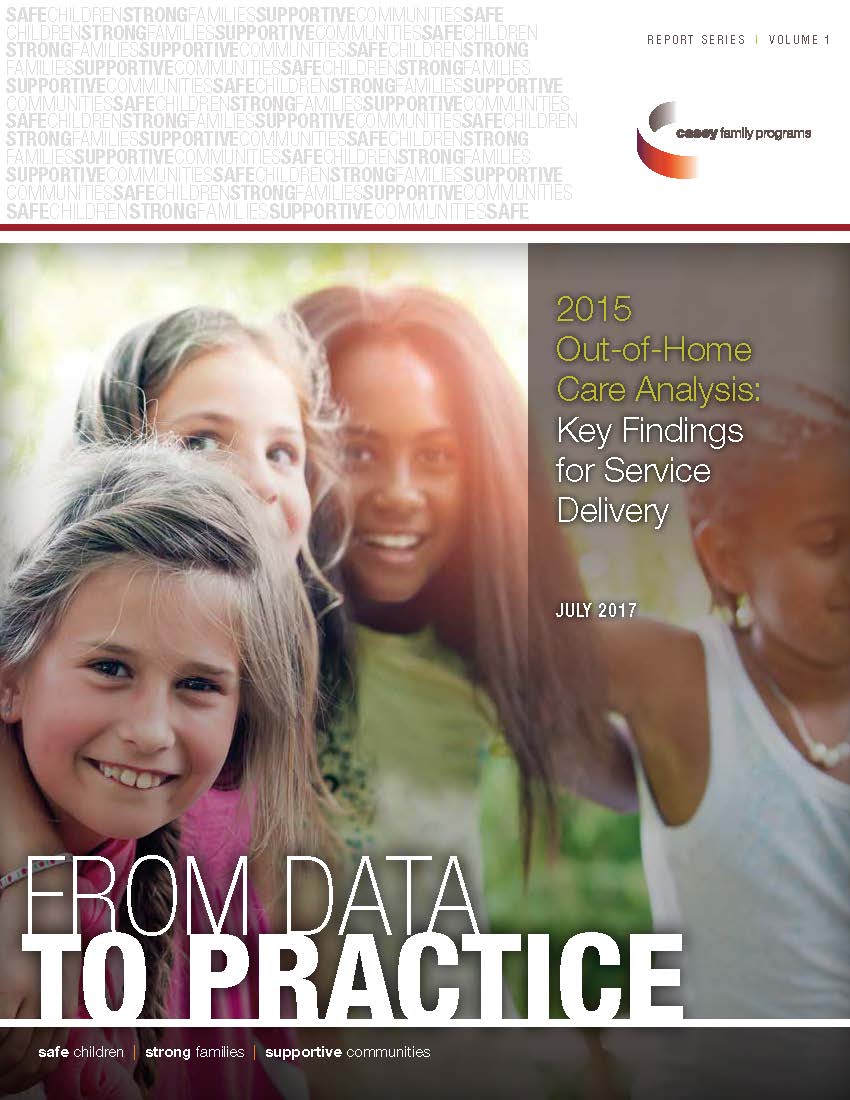
Child and Family Services (CFS) is changing our data culture by collaborating with the field on data analysis, sense-making, and intervention selection. Together, we are learning and adapting based on the evidence our inquiry generates. This inaugural From Data to Practice report exemplifies this new way of working together. The report explores the relationship between services and outcomes in a cohort of youth served in CFS out-of-home care. It includes youth demographic characteristics, primary findings of factors correlated with exiting to legal permanency, and stories highlighting themes of the results. Findings indicate the urgency and relentlessness of CFS social workers and other direct services staff in achieving legal permanency for youth.
DateAugust 7, 2017
FocusEnsure every child has a safe, supportive and lifelong family
CategoryBest practices in care, Permanency
Content TypeReport
Related posts
-
Ensure every child has a safe, supportive and lifelong familyFrom Data to Practice: The Impact of Placement with Family on Safety, Permanency, and Well-Being
This report confirms kinship care as a preferred option for children when they cannot stay with their biological parents. -
Ensure every child has a safe, supportive and lifelong familyFrom Data to Practice: Moving Youth to Family – Level of Need and the Impact on Legal and Relational Permanency
This report explores permanency outcomes for youth who, when referred to Casey services, were not residing with a family member. -
Ensure every child has a safe, supportive and lifelong familyThe power of kinship care
This curated collection provides resources for understanding, designing and implementing kin-first practices. -
Ensure every child has a safe, supportive and lifelong familyCan trauma symptoms predict placement instability?
Learn from a study that examines the relationship between trauma screening and the likelihood of multiple foster care placements. -
Ensure every child has a safe, supportive and lifelong familyWhat are key principles child protection agencies should follow when providing trauma treatment and healing-centered services?
Explore guiding principles that child protection agencies should follow when providing trauma-informed, healing-centered services. -
Safely reduce the need for foster care across the nationEnding the Need for Group Placements
This learning exchange explores the “seven levers” that are key to ending the need for group placements in child welfare. -
Support effective public and private investmentsUpstream investment in children and families pays off
This resource highlights the tremendous costs of child abuse and neglect and the benefits of investing in programs aimed at children and families. -
Ensure every child has a safe, supportive and lifelong familyHow do individuals with lived experience of child welfare define permanency?
Lived experts offer insights on permanency and recommend strategies aimed at strengthening children’s connection to family. -
Safely reduce the need for foster care across the nationHow do family-based residential treatment programs help reduce substance use and improve child welfare outcomes?
When substance use disorder treatment programs recognize the importance of family, successful recovery and reunification often can follow. -
Ensure every child has a safe, supportive and lifelong familyHow can child welfare systems better support transition-age youth in foster care?
Youth exiting foster care without permanency need continuous resources and other support to ease their successful transition into adulthood.