What is kinship care?
Kinship care is the full-time care, nurturing, teaching and protection of children by kin. Kin is defined as relatives by blood, marriage or adoption — as well as any adult who has a bond that the child or family recognizes as significant. These chosen family, sometimes referred to as fictive kin, may include members of Tribes or Native clans, stepparents, godparents, or trusted family friends.
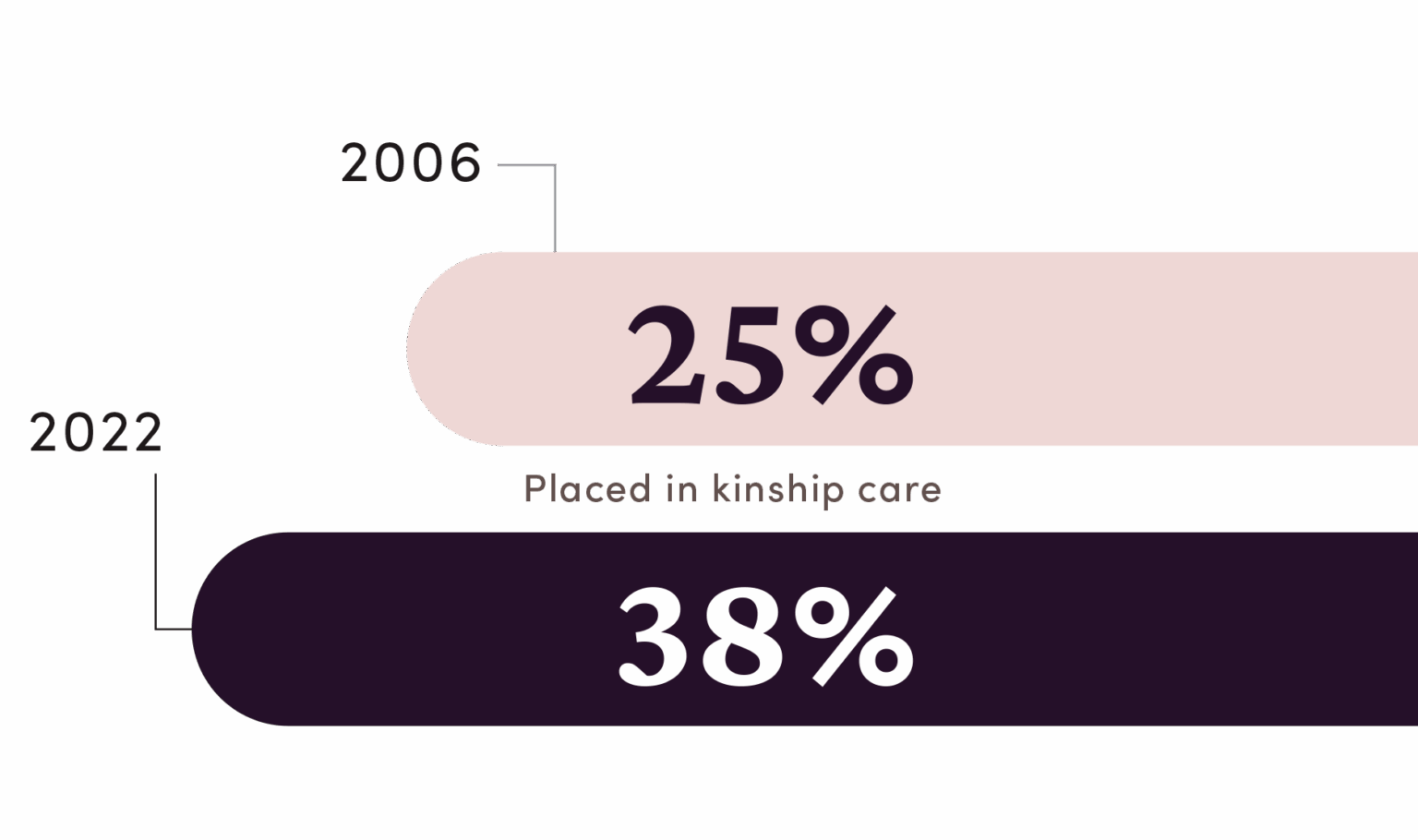
A higher percentage of children in foster care are being placed in kinship care, but more progress is needed.
Why should we prioritize kinship care?
Research tells us that children have better outcomes and are more likely to remain connected to their family, community and culture if they are placed safely with kin while safety issues at home are resolved.
Better outcomes
A review of nearly 100 studies found that children in kinship care,
when compared with children in non-kin foster care, have:

Being with family
If you became separated from your own children, who would you want to care for them in your absence? Kinship care allows children removed from home to remain as closely connected to their family as possible, given the reality of separation.

We wanted to keep the children together but sometimes it’s hard for someone to take on three kids at once. So, the family came together; everybody pitched in. Being with family made the children feel like they were still part of the family.
Knowing your roots – kin, community, culture
Children do better with family, in whatever form that takes — grandparents, aunts and uncles, cousins, older siblings or best friends. Kinship care allows children separated from their parents to know their family and remain a part of the community and culture they were born into.

The following resources share data and research that support the benefits to child safety, permanency and well-being that kinship care can provide.
-
A season of hope: Growing the role of families
Why should child protection agencies adopt a kin-first approach?
The Impact of Placement with Family on Safety, Permanency, and Well-Being
How can we improve placement stability for children in foster care?
How does academic achievement differ for children in kinship vs. non-kin out-of-home care?
How do investigation, removal, and placement cause trauma for families?
-
Fact sheet: Children Thrive in Grandfamilies (Generations United)
Kinship/Grandfamilies: Strengths and Challenges (Grandfamilies & Kinship Support Network)
Kinship Care Landscape: What We Know, What We Don’t, and Where to Go From Here (Think of Us)
Kinship Care is Better for Children and Families (American Bar Association)
Resources
What are current practices from the field?
Child protection agencies that practice a kin-first approach seek to make every child’s first — and hopefully only — placement with kin. When communities provide children with the level of supports they need when they are placed with kin, more extended families are are able to step up to provide a safe and supportive home.
Kinship care from a systems level
Many child welfare systems across the country are exhibiting a way forward by putting kinship at the center of their work. Effective systems make sure that children receive all the supports they need to thrive.
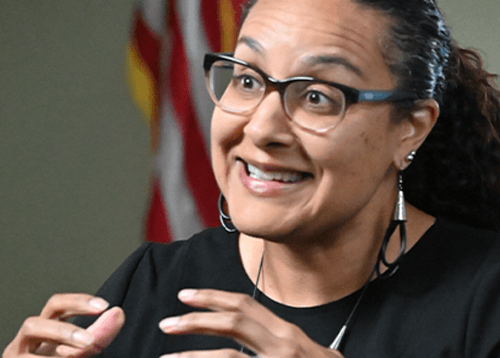
When you place them with a relative, they know who they’re being placed with. That lessens the trauma of being removed from their natural home.
Investing in each other
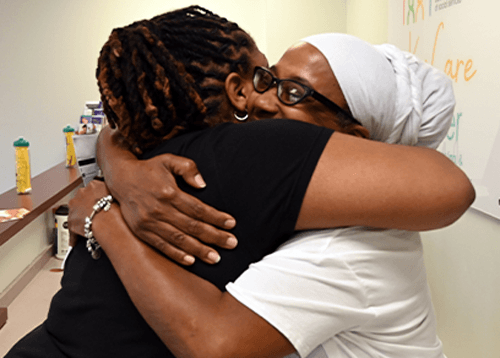
Communities are demonstrating their commitment to families by offering welcoming spaces for kinship caregivers to access the supports they often need to raise the child placed in their care. Services may include diapers, clothing, food assistance, mental health support and transportation.
The following resources touch on why a kin-first culture leads to better outcomes for children and families, and how communities around the country are embracing this powerful approach to help children grow up where they belong.
-
Supporting Kin-First Care (Harvard Kennedy School Government Performance Lab)
Kinship Navigator Programs Around the United States (Grandfamilies & Kinship Support Network)
How to Build a System that Never Stops Looking for Kin: Challenges and Opportunities in Keeping Family the Focus (Harvard Kennedy School Government Performance Lab)
Translating Kin-First Commitments Into Practice: Management Strategies for Child Welfare Leaders (Harvard Kennedy School Government Performance Lab)
Working with Kinship Caregivers (Child Welfare Information Gateway)
Kinship Process Mapping: A Guide to Improving Practice in Kinship Care (The Annie E. Casey Foundation)
Resources
What policy levers support kinship care?
Policies can pave the way. New federal regulations announced in 2023 allow states, territories and IV-E tribal nations to create kin-specific licensing standards designed to encourage kinship care. They also require jurisdictions to provide children the same financial support they would receive if placed with extended family as they would receive with non-kin caregivers.
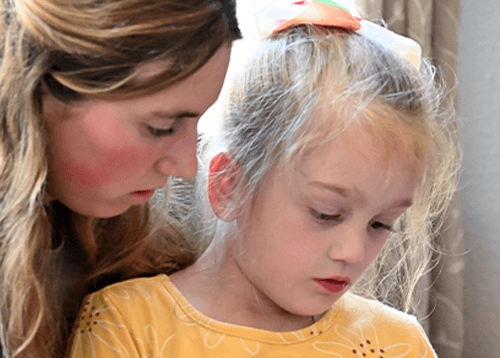
Support means Bristol can stay with family
A kin-first culture requires partnership, starting with those who write the policy and continuing through to everyone working in the system. Kinship caregivers are often called on in a moment of crisis to maintain the bonds of family and community that are critical to healthy childhood development.
The following resources highlight specific policies – federal, state and agency-specific – that help to build a kin-first culture.
-
What are some strategies that prioritize first placement of children with a family?
How are kinship navigator programs developed and funded?
What is the impact of Title IV-E waiver kinship supports intervention?
Ending the Need for Group Placement, Lever 2: Building blocks for kin-first culture
How can an effective border agreement support timely placement with kin?
-
New federal rule supports kinship families in foster care (Grandfamilies & Kinship Support Network)
Kin-Specific Foster Home Approval Standards (Grandfamilies.org)
Kin-Specific Licensing Standards Sample Forms (Grandfamilies.org)
Map of kin-specific licensing progress (Generations United)
Kin-Finding Toolkit (Grandfamilies & Kinship Support Network)
Kin Mobilization Learning Collaborative (Grandfamilies & Kinship Support Network)
Family Ties: Analysis from a State-By-State Survey of Kinship Care Policies (The Annie E. Casey Foundation)
Resources
How do we support kinship care?
Communities and child welfare systems are employing strategies to encourage the practice of kinship care. These include kinship navigator programs to help families find their way through complex systems and obtain the right supports, and family-finding services to keep children connected to family, community and culture.
‘I don’t know who I would be’
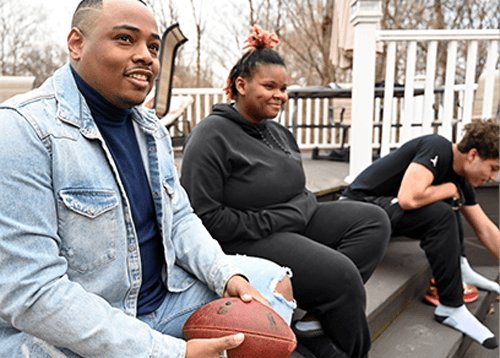
Those raised by kin can speak best to the transformative effects of kinship care. Children in foster care who are placed with kin experience a natural pairing that can help them avoid feelings that they don’t belong and struggles with their identity.

Being a kinship provider and being a kinship child, it really provides hope because it’s saying, ‘My family didn’t give up on me.’
Ensuring children have what they need with kin
Agencies are focusing on recognizing and engaging with kin to raise children who have been removed from their home. Children placed with kin still need the same levels of support that other children in foster care need to ensure they have everything they need to grow up healthy, do well in school and access the specific services they need to reach their full potential.
The following resources offer strategies for supporting kinship care to ensure that children living with kin have appropriate supports.
-
Resource Guides for Kin Caregivers and Those Who Work with Them (Grandfamilies & Kinship Support Network)
Engaging and Supporting Kinship Caregivers (The Annie E. Casey Foundation)
Legal Service Models for Kin Caregivers (Grandfamilies & Kinship Support Network)
Supporting Unlicensed Kinship Caregivers (The Annie E. Casey Foundation)