Walter Howard Smith, Jr. selected as chair of Casey Family Programs’ Board of Trustees
Casey Family Programs Board of Trustees announces the selection of Walter Howard Smith, Jr. as its next chair.
Casey Family Programs Board of Trustees announces the selection of Walter Howard Smith, Jr. as its next chair.

Learn about findings from a study that explores the effect that four social policies and programs can have on child poverty.

Learn about findings from a study that examines the outcomes related to having higher standards of proof for substantiation.
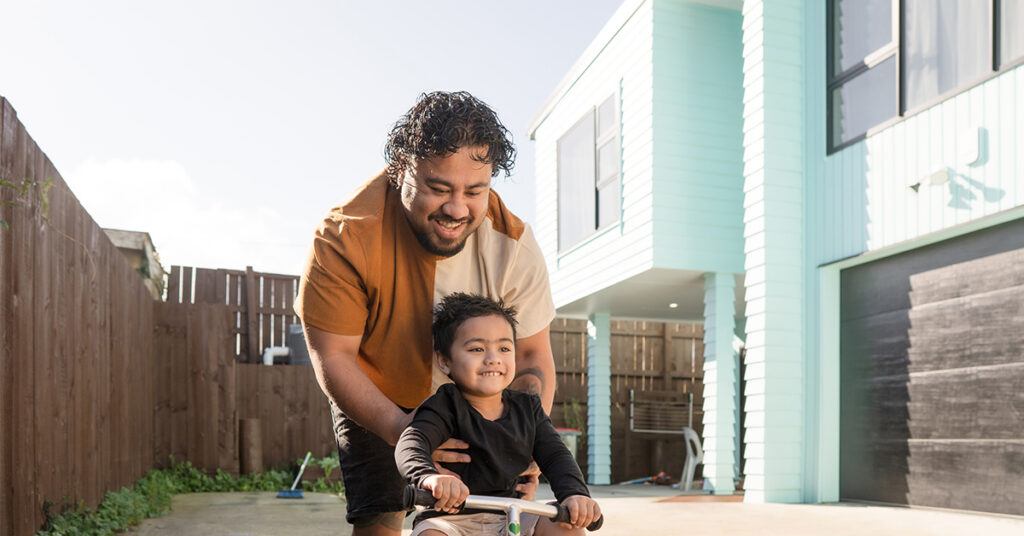
Presenters at the National Partnership for Child Safety Collaborative describe how safety science has been applied during COVID-19.

Jeremy Kohomban, President and CEO of Children’s Village, explains how Family First can catalyze the transformation of residential care.

Understand how de-identifying case information during removal decision meetings reduced disparities among children entering care.

Learn how Michigan developed performance dashboards to visualize metrics and trends that help inform decision-making.

This brief shares a framework for developing performance dashboards that include key measures to support decision-making.

Explore how motivational interviewing can be used in a child welfare context to engage families and improve outcomes.
Casey Family Programs honors Clotilde Perez-Bode Dedecker with Jim Casey Building Communities of Hope Award.
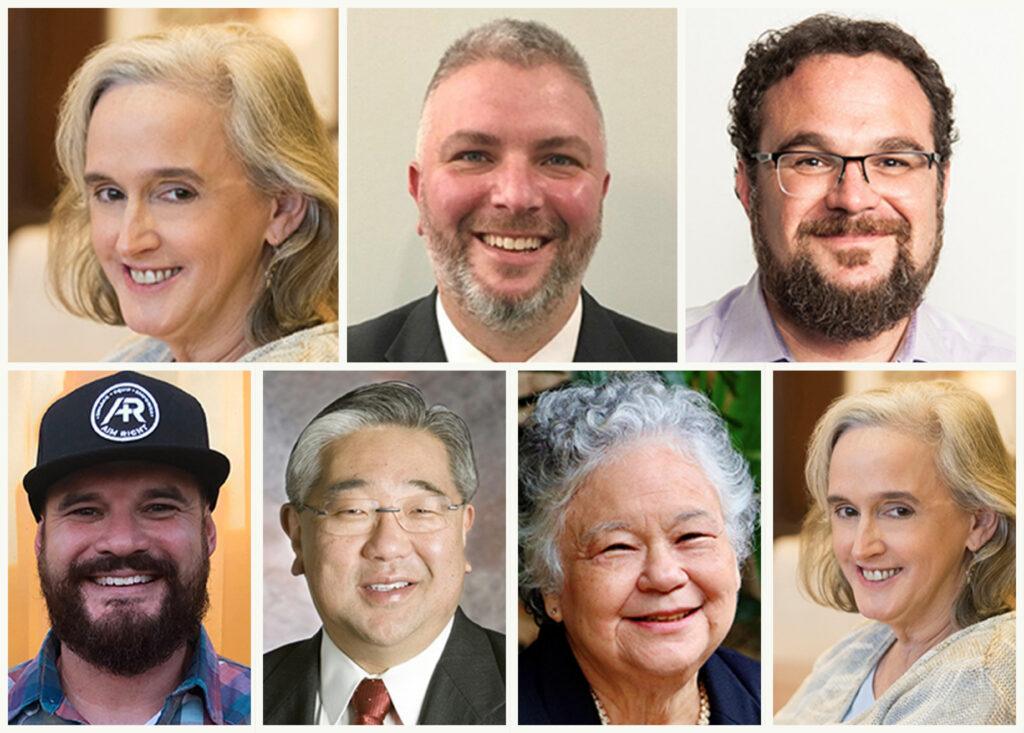
These awards recognize leaders who have had a significant impact in improving outcomes for children and families and building Communities of Hope across America.
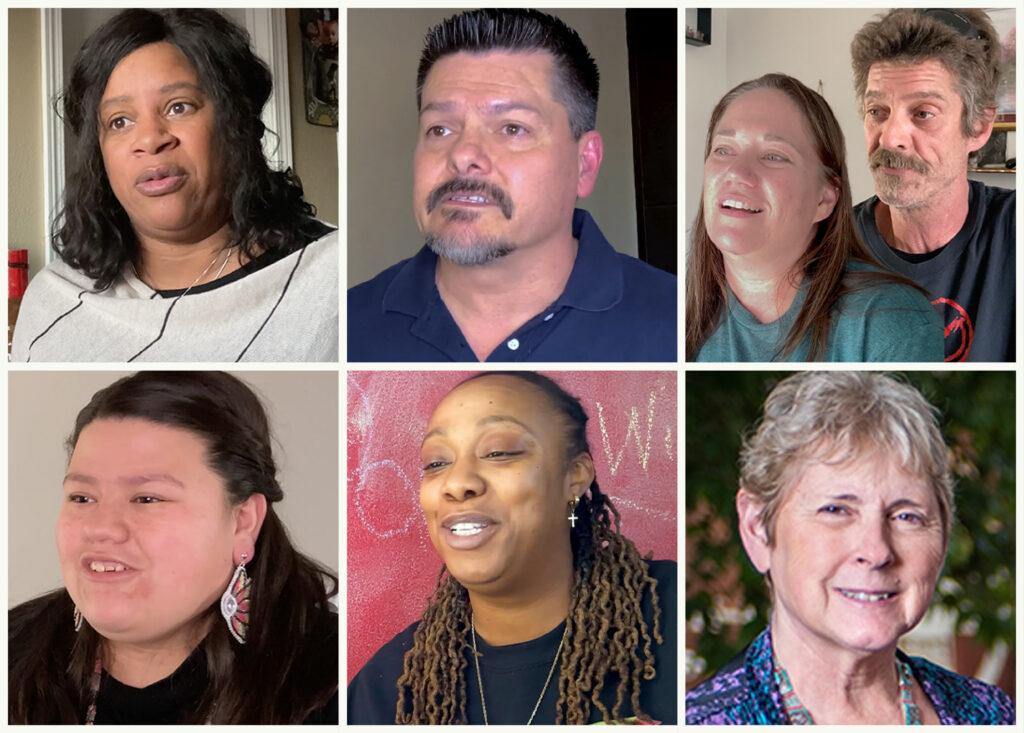
These awards recognize those foster care alumni, birth parents, kinship caregivers and resource parents who have demonstrated extraordinary efforts on behalf of those involved in child welfare.
Explore these tools to help build Communities of Hope.
Sign up to receive resources and other information from Casey Family Programs. We will not share your information.


ResourcesWalter Howard Smith, Jr. selected as chair of Casey Family Programs’ Board of TrusteesCasey Family Programs Board of Trustees announces the selection of Walter Howard Smith, Jr. as its next chair.
Can policy changes reduce child poverty?Learn about findings from a study that explores the effect that four social policies and programs can have on child poverty.
Do higher standards of proof for child abuse and neglect impact rates of substantiation?Learn about findings from a study that examines the outcomes related to having higher standards of proof for substantiation.
How can child welfare agencies use safety science concepts during the COVID-19 crisis?Presenters at the National Partnership for Child Safety Collaborative describe how safety science has been applied during COVID-19.
Can a residential treatment provider transform into a model for prevention?Jeremy Kohomban, President and CEO of Children’s Village, explains how Family First can catalyze the transformation of residential care.
How did the blind removal process in Nassau County, N.Y., address disparity among children entering care?Understand how de-identifying case information during removal decision meetings reduced disparities among children entering care.
How did Michigan’s Children’s Services Agency develop executive performance dashboards?Learn how Michigan developed performance dashboards to visualize metrics and trends that help inform decision-making.
How can executive performance dashboards support child welfare agency effectiveness?This brief shares a framework for developing performance dashboards that include key measures to support decision-making.
How can motivational interviewing be used in child protection?Explore how motivational interviewing can be used in a child welfare context to engage families and improve outcomes. 2021 Jim Casey Building Communities of Hope AwardCasey Family Programs honors Clotilde Perez-Bode Dedecker with Jim Casey Building Communities of Hope Award.
2021 Casey Excellence for Children Awards Leadership HonoreesThese awards recognize leaders who have had a significant impact in improving outcomes for children and families and building Communities of Hope across America.
2021 Casey Excellence for Children Awards Family and Alumni HonoreesThese awards recognize those foster care alumni, birth parents, kinship caregivers and resource parents who have demonstrated extraordinary efforts on behalf of those involved in child welfare. ToolsExplore these tools to help build Communities of Hope. Want to connect?Sign up to receive resources and other information from Casey Family Programs. We will not share your information.
Get involved
|