How can behavioral science be used to recruit foster and adoptive families?
Behavioral science offers ideas to improve the recruitment process for foster and adoptive parents in child welfare.
Behavioral science offers ideas to improve the recruitment process for foster and adoptive parents in child welfare.
Behavioral science offers insights into the hotline, screening, and investigation and assessment decision points in child welfare.
Behavioral science can inform system design to improve placement decisions and placement stability for children in foster care.
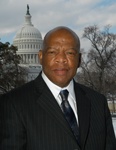
Congressman John Lewis inspired courage and hope in generations of Americans to stand up for what is right.
Learn how strategic partnerships between child protection agencies and early care and education can benefit children and families.
Learn how D.C.’s child protection agency implemented a CQI system that focuses on family support and on preventing child removal.
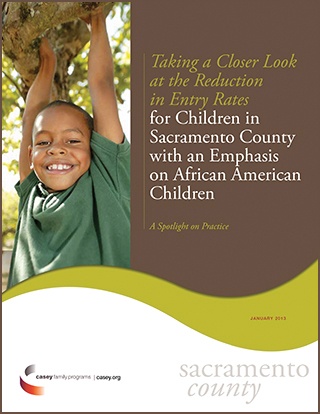
Sacramento County used successful strategies over multiple years to reduce placement rates of African American children.
Learn how the Eat, Sleep, Console model promotes healthy parent-child attachment, destigmatizes NAS, and prevents unnecessary interventions.
Explore how Safe & Sound operates a family resource center in San Francisco to stabilize families and prevent child abuse and neglect.
This brief discusses challenges that agencies may face serving families that lack lawful immigration status, and strategies to address them.