How did Hawaii gain staff and stakeholder support when centralizing its hotline?
Hawaii employed various strategies to earn buy-in from staff and community stakeholders during its transition to a centralized hotline.
Hawaii employed various strategies to earn buy-in from staff and community stakeholders during its transition to a centralized hotline.

Casey Family Programs has a long history of working with American Indian and Alaska Native tribes to improve the well-being of their children and families. This brochure describes our work.
This three-part webinar series demystifies child welfare funding streams and builds foundational understanding of child welfare financing.
Mobile Response and Stabilization Services provides immediate support to stabilize children in crisis and keep them safe at home.
This information packet features five home visiting program models that have been found to be effective in reducing child maltreatment.
Youth in foster care have high rates of trauma exposure. A trauma-informed child protection system can mitigate trauma’s adverse effects.
A few jurisdictions are using birth match as a data-based strategy to predict future risk and harm of infants, but ethical tensions exist.
This bright spot describes how Georgia and Alabama created a border agreement to expedite placement of children with kin across state lines.
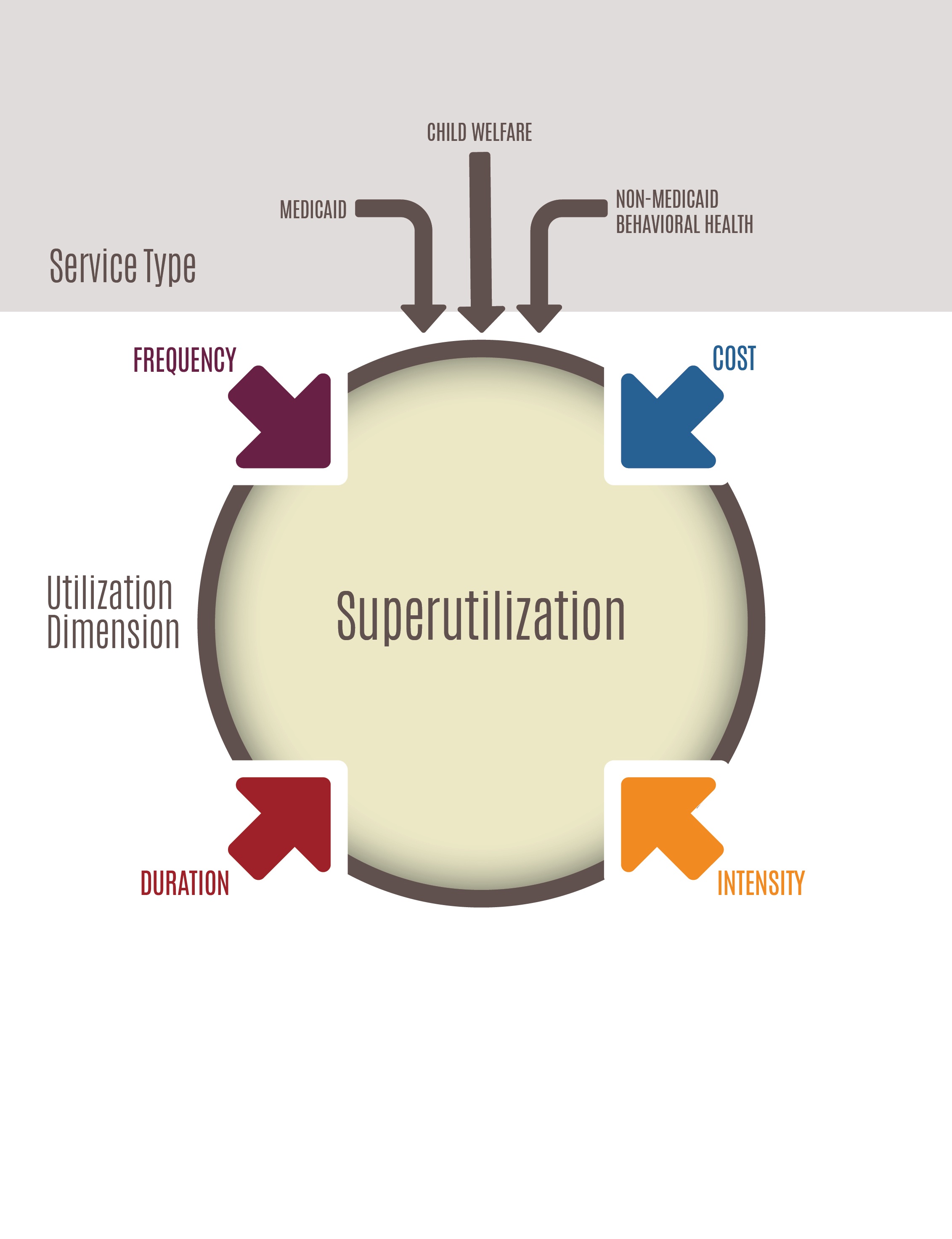
A study of high service users among youth in foster care in Tennessee and Florida using linked Medicaid and child welfare data.
Our 2018 signature report explores how communities are building hope for children and families though innovation, knowledge and shared commitment.