
Considerations for Implementing Predictive Analytics in Child Welfare
This brief highlights considerations for child welfare agencies as they engage in predictive analytics.
This brief highlights considerations for child welfare agencies as they engage in predictive analytics.
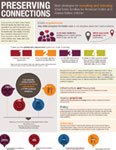
Explore best strategies for recruiting and retaining tribal foster families to help American Indian and Alaska Native children thrive in their culture.
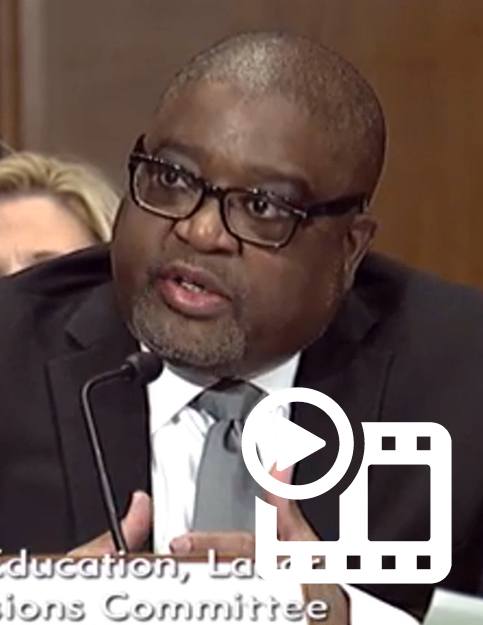
Dr. William C. Bell testified before the U.S. Senate Committee on Health, Education, Labor and Pensions regarding the nation’s opioid epidemic and its impact on children and families.
Hotline systems provide the first contact between the public and the child protection agency; this strategy brief outlines key elements.
Parental rights restoration is an option for some youth when parents have addressed the issues that led to the termination of their rights.
Given the high rate of psychotropic medication use by youth in out-of-home care, it is vital to establish effective oversight plans.
Interviews with state guardianship experts and a policy analysis reveal variations in state subsidy rates and strategies for effective use of guardianship as a permanency option.

Title IV-E waiver projects demonstrate effective interventions, not just foster care.
This report describes the New York City Administration for Children’s Services experience incorporating 11 evidence-based and evidence-informed practice models into its continuum of preventive services.

This inaugural From Data to Practice report explores the relationship between services and outcomes in a cohort of youth served in CFS out-of-home care.